Tools are essential when it comes to construction, maintenance, repairs and other processes. Yet knowing the difference between hand and power tools is important to selecting the appropriate equipment for a project. In this in-depth guide, we’ll explain what makes one different from the other, their pros and cons, and how you can decide which tool is best for your use.
What Are Hand Tools?
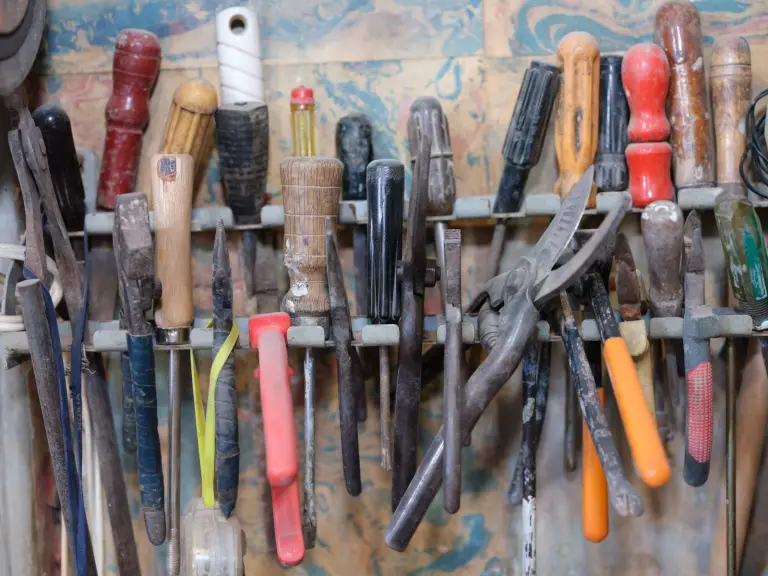
Hand tools are operated manually and do not need electricity. They are of ancient origin and are usually more modest in design. Common examples of hand tools:
- Screwdrivers
- Hammers
- Wrenches
- Pliers
- Hand saws
- Chisels
- Tapes and levels
Advantages of Hand Tools: A Closer Look
Hand tools have been an integral element of maintenance, construction and repair for centuries, and for good reason. While power tools offer speed and efficiency, hand tools provide numerous advantages that make them useful in all kinds of scenarios.
1. No Power Source Required – Can Be Used Anywhere
One of the most significant benefits of hand tools is that they are completely independent of electricity. This makes them extremely portable.
- Excellent for remote locations where power might not be accessible
- Ideal for urgent repairs
2. Greater Precision For Delicate Or Detailed Work
Hand tools give you a degree of precision and control that power tools typically can’t match, making them perfect for tasks that require fine motor skills or delicate handling.
- Great for intricate engraving, woodworking or trimming
- Allow precise adjustment and perfecting
- Reduce the risk of cutting, stripping or damaging materials
- Favoured for craftsmanship, artisanal work and tasks that require finishing
Since the user is the one who determines the force and movements, hand tools are helpful when precision and care are more important than speed.
3. Lower Cost and Easier to Maintain
In comparison to power tools, hand tools are much cheaper, both in terms of the initial investment and regular maintenance.
- Lower initial cost – no need for batteries, motors or complicated systems
- Low maintenance – no electrical parts or fuel systems that need to be maintained
- Less chance of mechanical failure
- Longer lifespan when stored and used properly
What Are Power Tools?
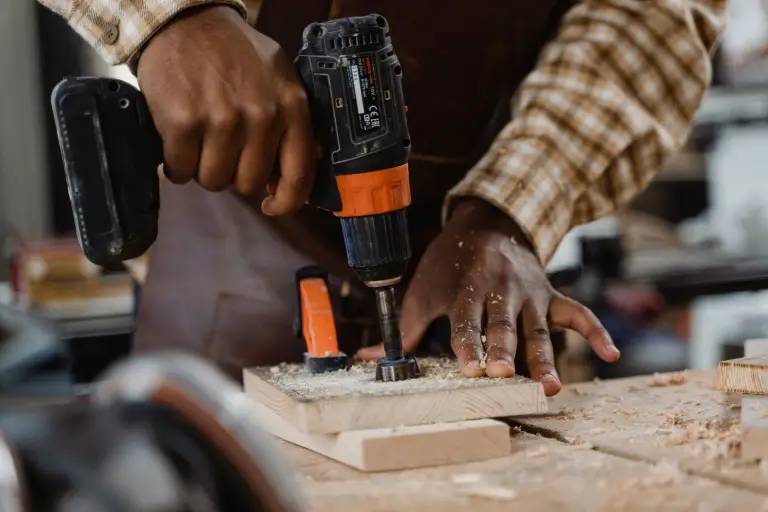
Power tools are devices that are driven by an external source of energy, such as batteries, electricity, compressed air or fuel. They are engineered to maximise efficiency and speed. Common examples of power tools:
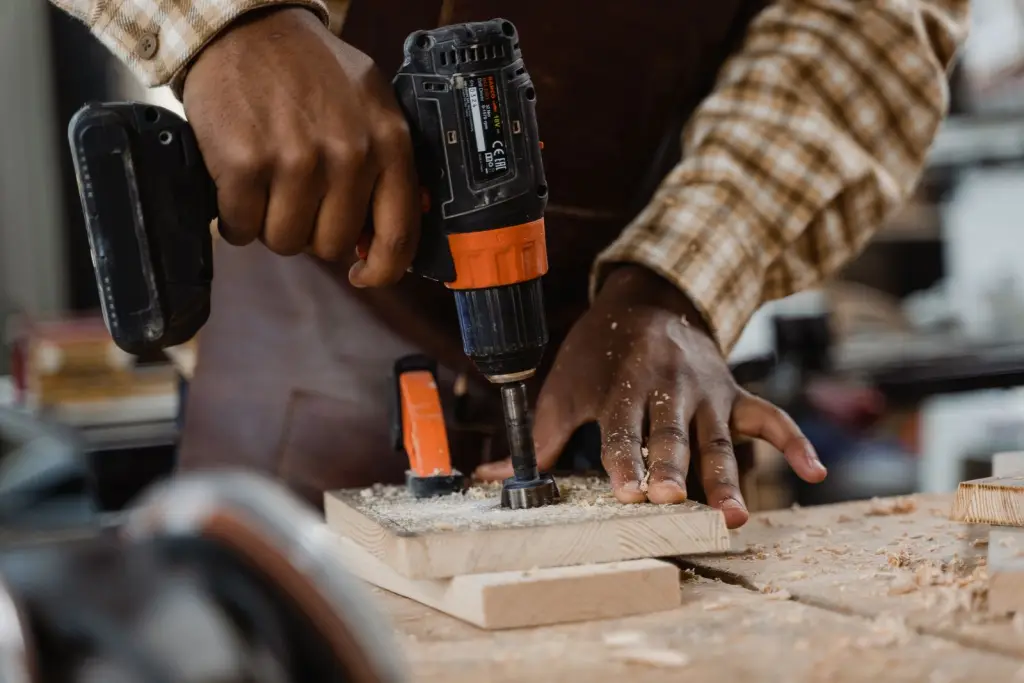
- Electric drills
- Angle grinders
- Circular saws
- Power sanders
- Nail guns
- Impact wrenches
- Jigsaws
Advantages of Power Tools: A Detailed Breakdown
Power tools have changed the way we carry out carpentry and DIY projects. Here is a review of the main advantages of power tools.
1. Faster and More Efficient for Heavy-Duty Tasks
- Improved efficiency: Ideal for repetitive tasks such as screwing or cutting.
- Consistent results: Because the motor does the work, performance stays consistent across multiple tasks.
- Reduced labour costs: Speedier completion times translate into fewer person-hours spent on the job.
2. Require Less Physical Effort
Power tools are made to minimise strain on your hands, making them more comfortable and easier to work with for long periods of time.
- Motor-powered operation minimises the need for physical force.
- They are more accessible to people with various levels of strength and skill.
- Perfect for jobs that are otherwise physically demanding, such as drilling through concrete or driving screws into hardwood.
3. Ideal for Large-Scale Projects
Power tools are ideal in situations where speed and scale matter.
- Renovation and construction projects benefit from quick, high-volume work.
- Industrial and commercial sites depend on the accuracy and output of power tools.
- Time-consuming repairs or installations can be completed in a shorter timeframe.
- Ideal for handling massive tasks such as cutting hundreds of tile pieces, drilling numerous holes or installing large fixtures.
4. Can Handle Tougher Materials
- In contrast to hand tools, they are designed to be used with tough or even high-end materials.
- Angle grinders can be used to grind or chip.
- Power sanders and planers can work on metal surfaces and hardwoods effectively.
- Specially designed tools, such as impact drivers, give you the power needed for the most demanding jobs.
- This is why power tools are crucial to the construction industry, renovations and industrial applications where power and durability are essential.
When to Use Hand Tools vs Power Tools
The decision between hand tools and power tools isn’t about preference but about choosing the best tool for the task. Knowing when to choose one over the other can result in higher-quality work.
Choose Hand Tools For:
1. Precision Tasks
- Ideal for fine woodworking, cutting, trimming or shaping tasks
- Perfect for use in restricted areas where power tools could be too large or aggressive
- Useful for finishing work, for example adjusting small components or adding finishing touches
- Ideal for jobs involving fragile materials that are prone to breaking under too much force
2. Small Repairs
- If the job isn’t too complicated, hand tools are typically more efficient and more cost-effective.
- There is no need for set-up or power sources. Simply take a few items and go.
- Lower risk of over-cutting, causing damage or over-tightening components
- A great choice for easy fixes at home or in the office
Choose Power Tools For:
1. Large-Scale Jobs
Power tools are designed to be fast, which makes them the ideal tools for projects with short deadlines or a large volume of work.
- Significantly reduce the time spent on the job
- Provide consistently high performance throughout long hours
2. Heavy-Duty Cutting or Grinding
- Tasks that involve tough materials and high resistance need the strength and torque that only power tools can provide.
- Designed for cutting through metal, concrete, hardwoods and even stone
- Provide higher RPM and more torque than manual tools
- Reduce user fatigue when dealing with hard materials
Conclusion
Understanding the difference between hand and power tools is vital to selecting the best tool to complete the task. Hand tools offer greater control, precision and simplicity, while power tools provide speed, power and efficiency. Selecting the best tool for your needs will not only increase your efficiency but also improve safety and overall quality. Sabaco offers a wide range of products, including power tools, adhesives and paints, making it a one-stop shop for all your construction needs.
FAQ
Do professionals use power tools or hand tools?
Most professionals use both, depending on the task. Power tools are generally used for efficiency, whereas hand tools are favoured for finishing.
Can beginners use power tools?
Yes, beginners can use power tools. It is essential to read the instructions and begin with the basics to build confidence.
Other Articles
White wood, plumbing material suppliers in Dubai, power tool suppliers in UAE, paint suppliers in UAE, marine plywood UAE